
Successful Transition to the Healthcare Workforce
Submitted By: Francisco Narciso
Los Angeles Regional Adult Education Consortium
Website: https://adulted.lausd.org/
Type of Practice: Learner Transition
Program Area(s): ESL / EL Civics / Citizenship, CTE / Workforce Prep / Pre-apprenticeship, Adults with Disabilities
Region: Los Angeles Basin
Consortia Involved: Los Angeles Regional Adult Education Consortium
The Program of Practice
“Successful Transitions to the Healthcare Workforce” addresses a clear gap in allied health training: the absence of a formal transition or wrap-up session to support graduates in entering the healthcare workforce. Student outreach revealed key issues—unemployment, lack of resumes and cover letters, incomplete licensure, and limited job search knowledge. Many graduates also had not reported employment outcomes, creating data gaps that hinder program evaluation and accountability. Without structured guidance, students often miss critical steps needed for career success. A standardized “Successful Transition to the Healthcare Workforce” program was established to close these gaps, support post-program success, and ensure the program meets its mission of preparing students for sustainable healthcare careers.
The Response
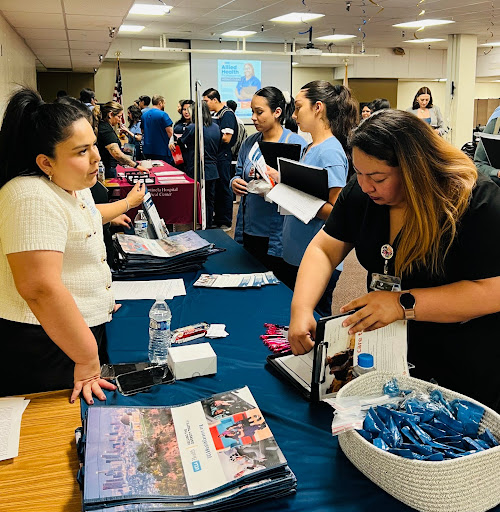
To address the identified gaps in transition support, the “Successful Transition to the Healthcare Workforce” program was created and embedded into the final week of every allied health training program. This standardized, two-hour capstone program ensures all graduating students receive essential employment readiness tools and guidance before completing their program. Core components include licensure and certification planning, resume and cover letter finalization, interview preparation, job search strategies, continuing education units and career pathway planning, and “First 90 Days on the Job” discussions. The program also includes an exit survey to capture employment intentions and contact information for post-graduation follow-up. Staff—including instructors, CTE advisors, and administrators—support the program through training, facilitation, and alignment with classroom activities. A checklist and structured agenda ensure consistency, while optional participation by industry partners enhances real-world relevance. As an extension, students are also invited to the Allied Health Hiring Event for direct access to employers, job application support, and networking. This solution builds capacity, strengthens workforce outcomes, and fosters long-term alumni engagement. This CAEP-aligned effort strengthens workforce outcomes by providing structured guidance, collecting outcome data, and reinforcing the district’s commitment to student success in healthcare careers.
This program is highly replicable in other adult education settings through a three-phase approach. Phase 1 involves developing and sharing a standardized toolkit, including an agenda, facilitator guide, templates, and slide deck. In Phase 2, instructors, advisors, and administrators across all campuses receive training and launch the wrap-up session. Phase 3 focuses on monitoring, evaluating, and sustaining the program to ensure consistency, track outcomes, and drive continuous improvement. This model supports equitable transitions and strengthens workforce accountability across allied health programs.
The Unique Features of the Program
This program stands out by focusing on real-world career readiness rather than just celebrating course completion. It equips students with essential job tools—resumes, interview prep, licensure steps, and continuing education units awareness—supporting adult education’s goal of direct workforce entry. An exit survey collects key data on employment and licensure, improving accountability and reporting. The equity-centered approach ensures English Language Learners, first-generation students, and others facing barriers receive personalized guidance and access to critical resources. Students are connected to job placement assistance and retain access to staff after graduation. Additionally, an Employability Skills shared drive provides ongoing access to templates, job tips, and employer updates to support long-term success.
The Outcome
As of now, students from allied health classes have participated in the “Successful Transition to the Healthcare Workforce” program. Feedback from participants and flyer respondents indicates that 49 completers have reported securing employment in the healthcare field during the 2024–2025 academic year—a 200% increase over the previous year, when 22 reported employment. This represents approximately 12% of the total contacted completers. We anticipate further growth in reported employment as we continue outreach and follow up with 2024–2025 completers through June 2025.
Student testimonials consistently highlight accessibility, career preparation, and a supportive environment. Participants appreciated the flexibility of accessing resume templates and job tools online, especially when in-person attendance wasn’t possible. Workshops and hiring events provided hands-on preparation: from resume updates and interview coaching to professional dress tips and direct engagement with employers. Many expressed gratitude for learning how to apply for jobs on company websites—something previously unfamiliar to them. A recurring theme was appreciation for the welcoming, confidence-building atmosphere, which adult learners found vital in their transition back into the workforce.